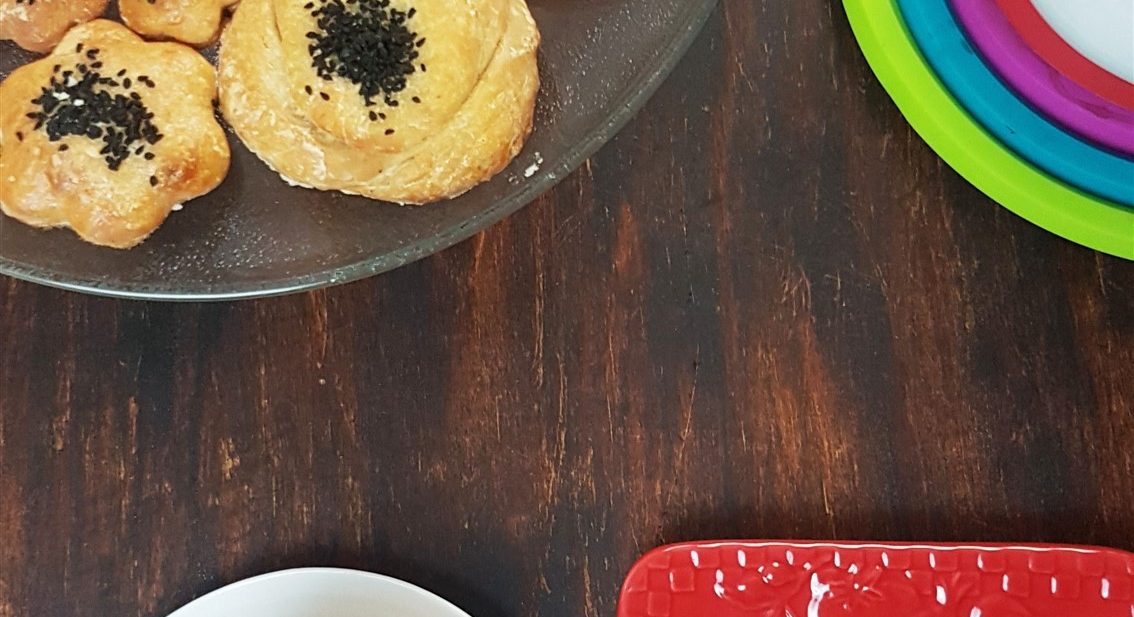
Qaimaq Chai holds a distinct place in Afghan tea culture and is closely associated with hospitality, celebration, and care. Unlike everyday black or green tea, this tea is reserved for moments that matter. It is prepared for special gatherings, honored guests, and important family occasions. The time and attention required to make Qaimaq Chai are part of its meaning. It is not a tea that is rushed or prepared casually, and that is precisely why it is valued.
Jump to Recipe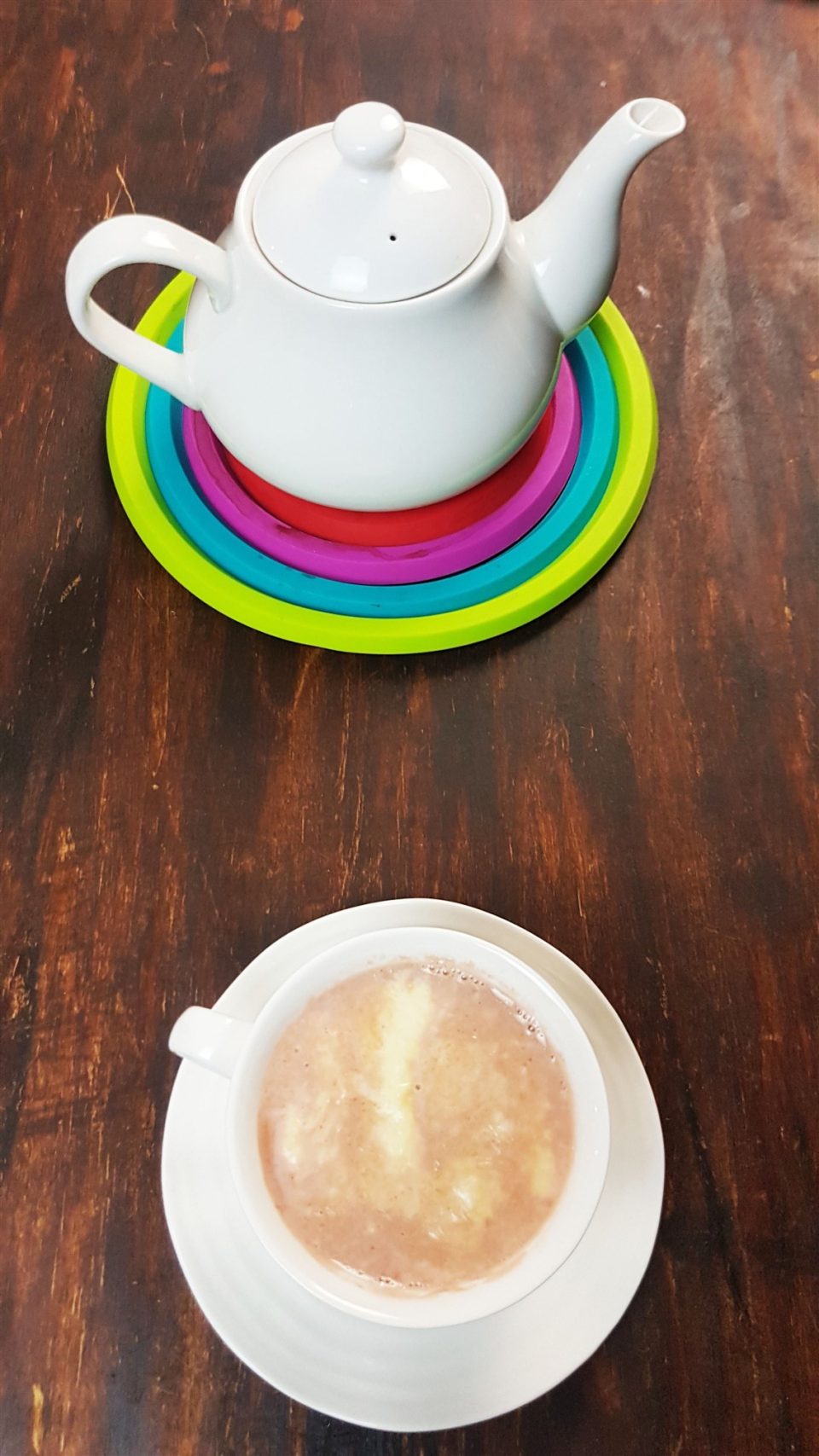
Disclaimer: This post contains affiliate links, so we may earn a small commission when you make a purchase through links on our site at no additional cost to you.
One of the most recognizable features of Qaimaq Chai is its soft pink color. This color is not artificial or decorative but the result of a traditional technique that has been passed down through experience rather than written instruction. The transformation begins with green tea and baking soda, which together create a deep reddish dye. When this dye is added to milk, the color shifts to a gentle pink. Achieving the right shade requires patience and careful adjustment, as too little or too much dye can affect both color and flavor. This step reflects the intuitive nature of Afghan cooking, where visual cues often guide the process.
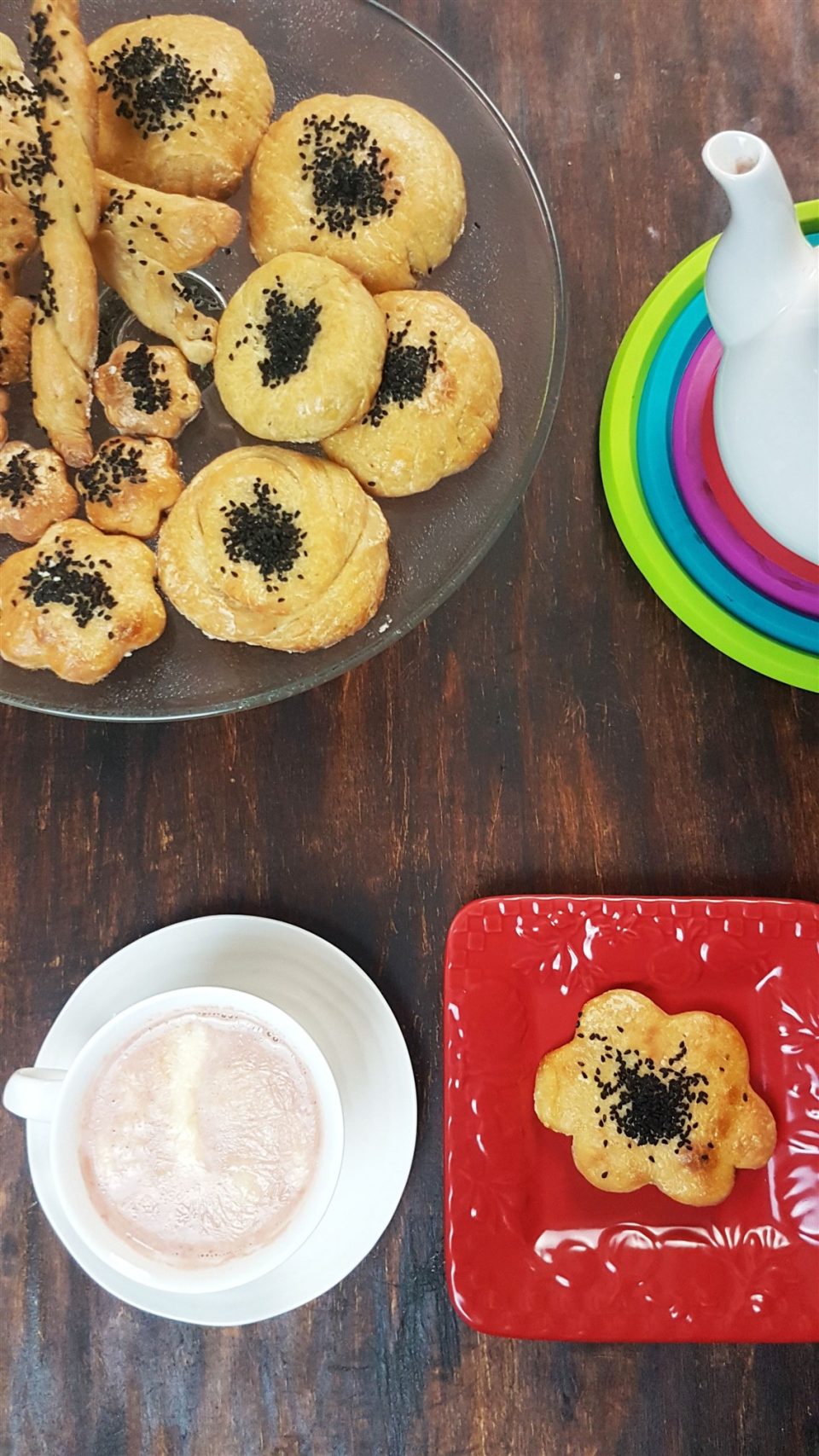
The qaimaq, or clotted cream, is another defining element of this tea. Making qaimaq is a slow process that cannot be hurried. Milk and cream are simmered gently over low heat, allowing a thick layer of cream to rise to the surface. This cream is carefully collected and set aside. The qaimaq is rich and slightly sweet, adding depth and contrast to the tea beneath it. When placed on top of the hot tea, it slowly softens, creating a layered drinking experience rather than a uniform mixture.
Cardamom plays a subtle but important role in Qaimaq Chai. It adds warmth and aroma without overpowering the milk based tea. In Afghan beverages and desserts, cardamom is often used sparingly, allowing it to enhance rather than dominate. In this tea, it ties together the richness of the milk, the sweetness of the sugar, and the softness of the cream.
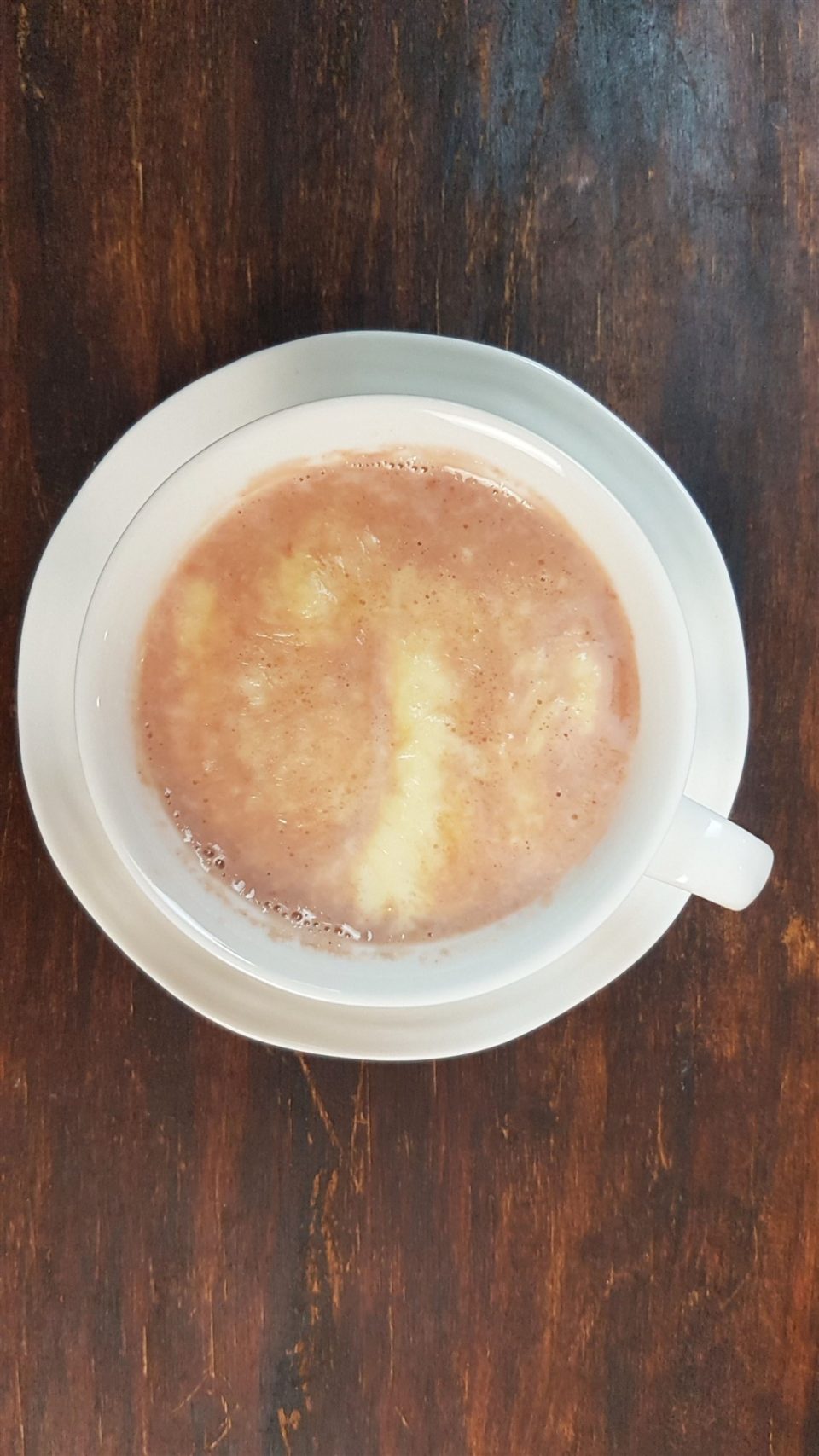
Today, Qaimaq Chai remains a symbol of generosity and respect. Serving it communicates care and intention, signaling that the moment is important. While it may not be prepared every day, its presence at the table carries weight. It represents continuity, tradition, and the enduring role of tea in Afghan life.
Tune in to a quick video on making this tasty Recipe
EQUIPMENT NEEDED TO MAKE QAIMAQ CHAI
Qaimaq chai
Course: LunchCuisine: AfghanDifficulty: Easy4
servings30
minutes40
minutesIngredients
Qaimaq (Clotted Cream)
4 cups milk (3.25%)
1 cup whipping cream
Coloring (Tea Dye)
3 cups water
2 tablespoons green tea
Baking soda, for coloring
A few cardamom pods
1 cup water
Tea
3 cups milk
1 teaspoon cardamom
3 tablespoons sugar
Directions
- Qaimaq (Clotted Cream)
- Boil 4 cups of milk (3.25%) on high heat.
- Add 1 cup of whipping cream and reduce the heat to low.
- Let the mixture simmer gently for 2 hours, allowing the clotted cream to form on the surface.
- Carefully collect the clotted cream from the top and place it in a small dish.
- Set aside and allow it to cool completely.
- Coloring (Tea Dye)
- In a pot, add 3 cups of water.
- Add the green tea and a small amount of baking soda for coloring.
- Add a few cardamom pods.
- Add 1 cup of water and bring to a boil.
- Strain the liquid into a bowl and set aside. This will be used as the coloring dye.
- Tea
- In a new pot, add the milk.
- Add cardamom and sugar.
- Gradually add the coloring dye until the milk turns a soft pink color.
- Pour the tea into a serving pot.
- Serve hot in cups and top each serving with a spoonful of qaimaq (clotted cream).
- Serving Notes
- Qaimaq Chai is traditionally served warm.
- The clotted cream should sit gently on top of the tea.
- Stir lightly or allow the cream to melt naturally before drinking.
Recipe Video
Did you enjoy making this recipe? I would love to hear your thoughts. Feel free to leave any questions or comments below.
Click Here to Make Afghanistan’s National Dish: Kabuli Pulao Recipe