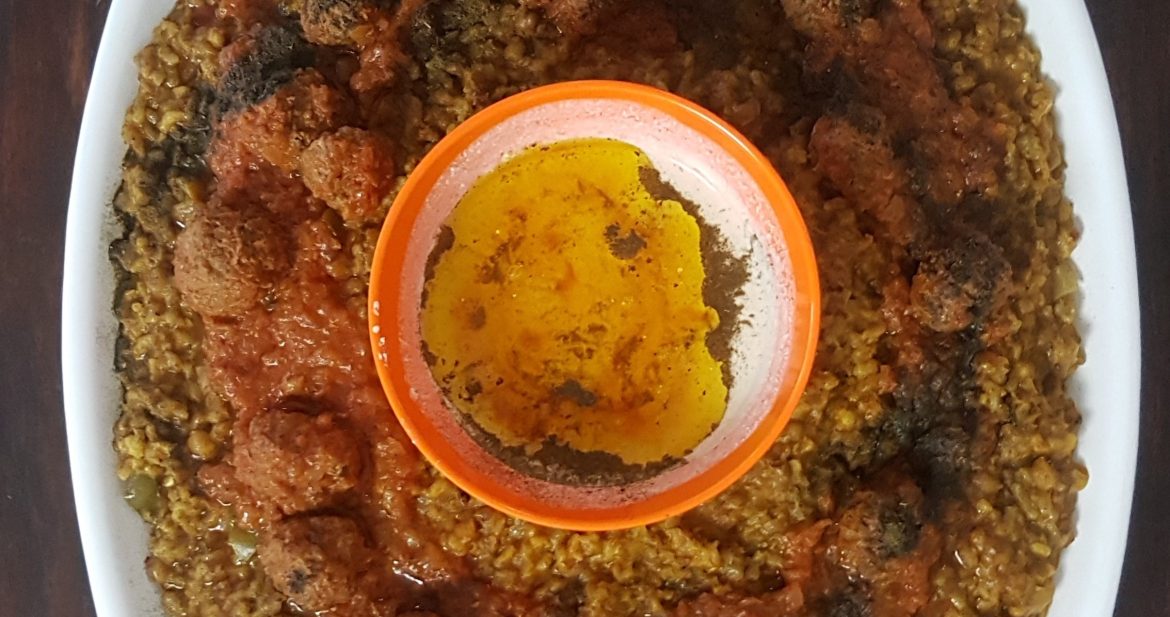
Kichiri Quroot is widely recognized as a dish of comfort, practicality, and nourishment in Afghan home cooking. It is not designed to be elaborate or decorative. Instead, it reflects a cooking philosophy rooted in making the most of simple ingredients while achieving depth of flavor through careful layering and timing. This dish is often prepared in family homes as a complete meal, especially on days when something filling, warm, and satisfying is needed.
Jump to Recipe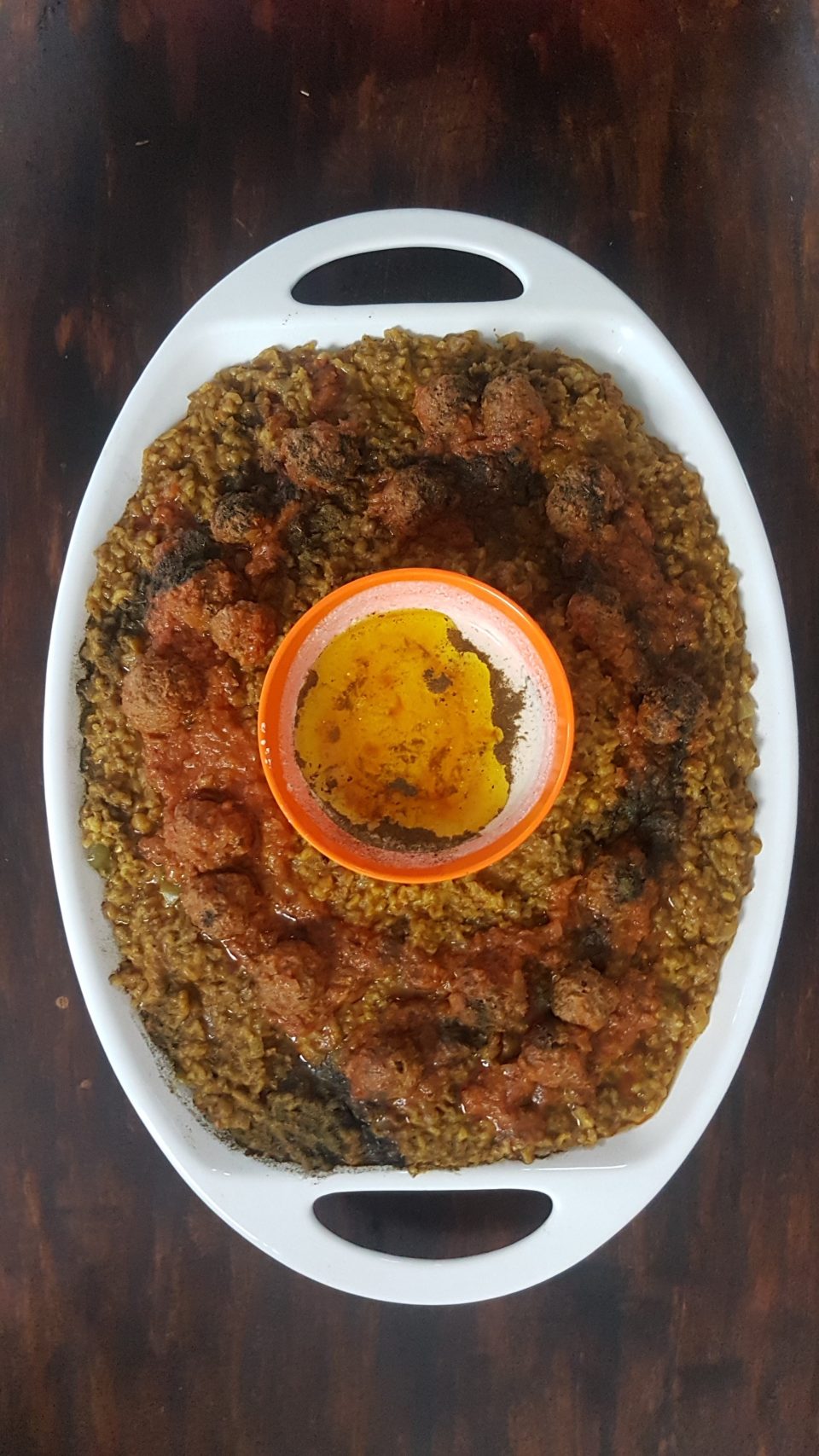
Disclaimer: This post contains affiliate links, so we may earn a small commission when you make a purchase through links on our site at no additional cost to you.
At the heart of Kichiri Quroot is the combination of rice and mung beans. This pairing is common in Afghan cuisine and across the broader region because it creates a dish that is both hearty and balanced. The short grain rice is intentionally cooked until soft and slightly sticky, allowing it to absorb spices and aromatics fully. Mung beans add substance and texture, breaking up the softness of the rice while contributing a mild, earthy flavor. Together, they form a base that is comforting without being heavy.
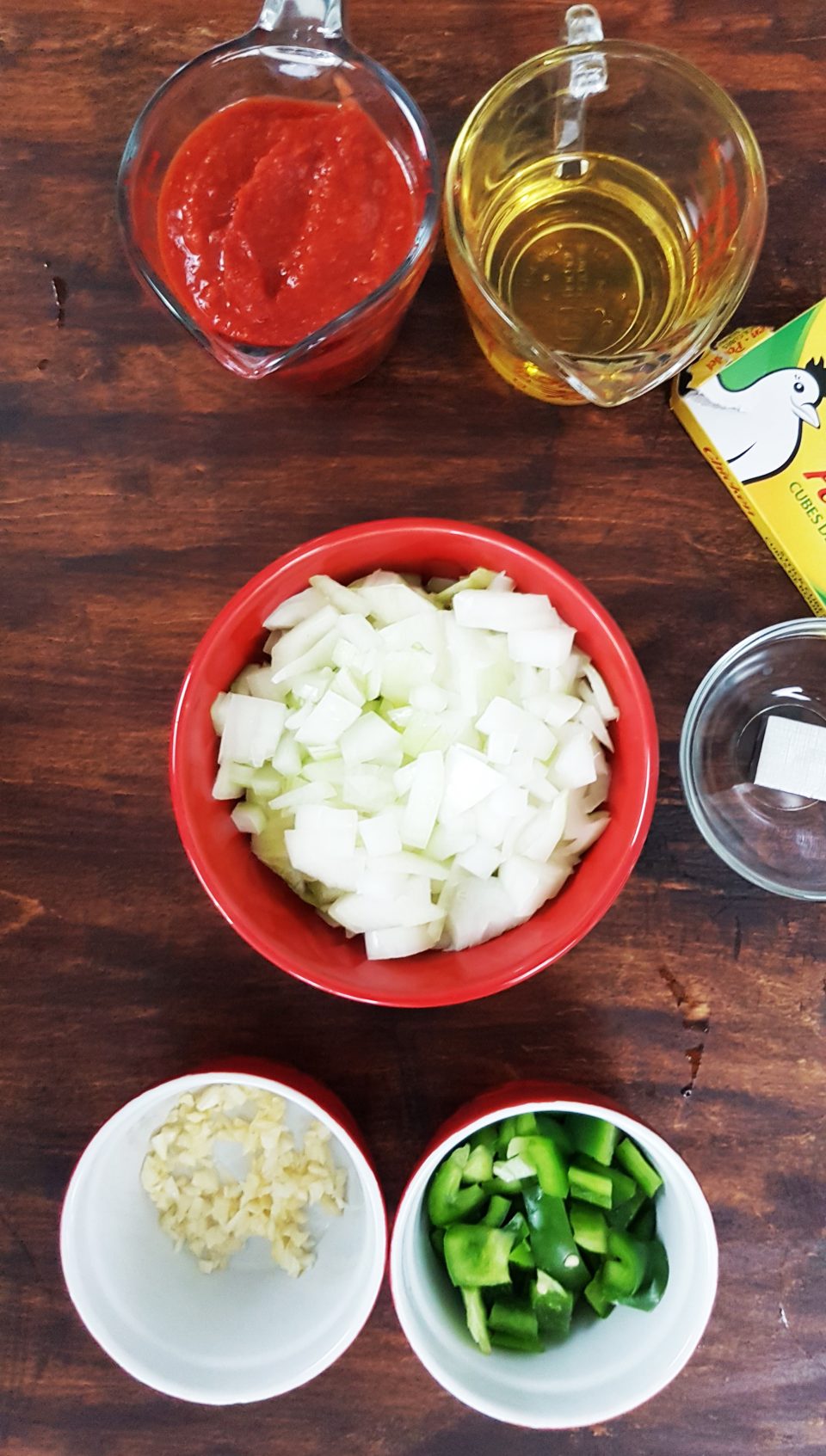
The cooking process begins with oil, onions, and garlic, which establish the foundation of the dish. Frying the onions until golden is a crucial step. This develops sweetness and depth that carries through the entire dish. Garlic adds warmth and aroma without overpowering the other ingredients. Once turmeric and tomato sauce are added, the base becomes richer and more complex, creating a savory environment for the rice and beans to cook in.
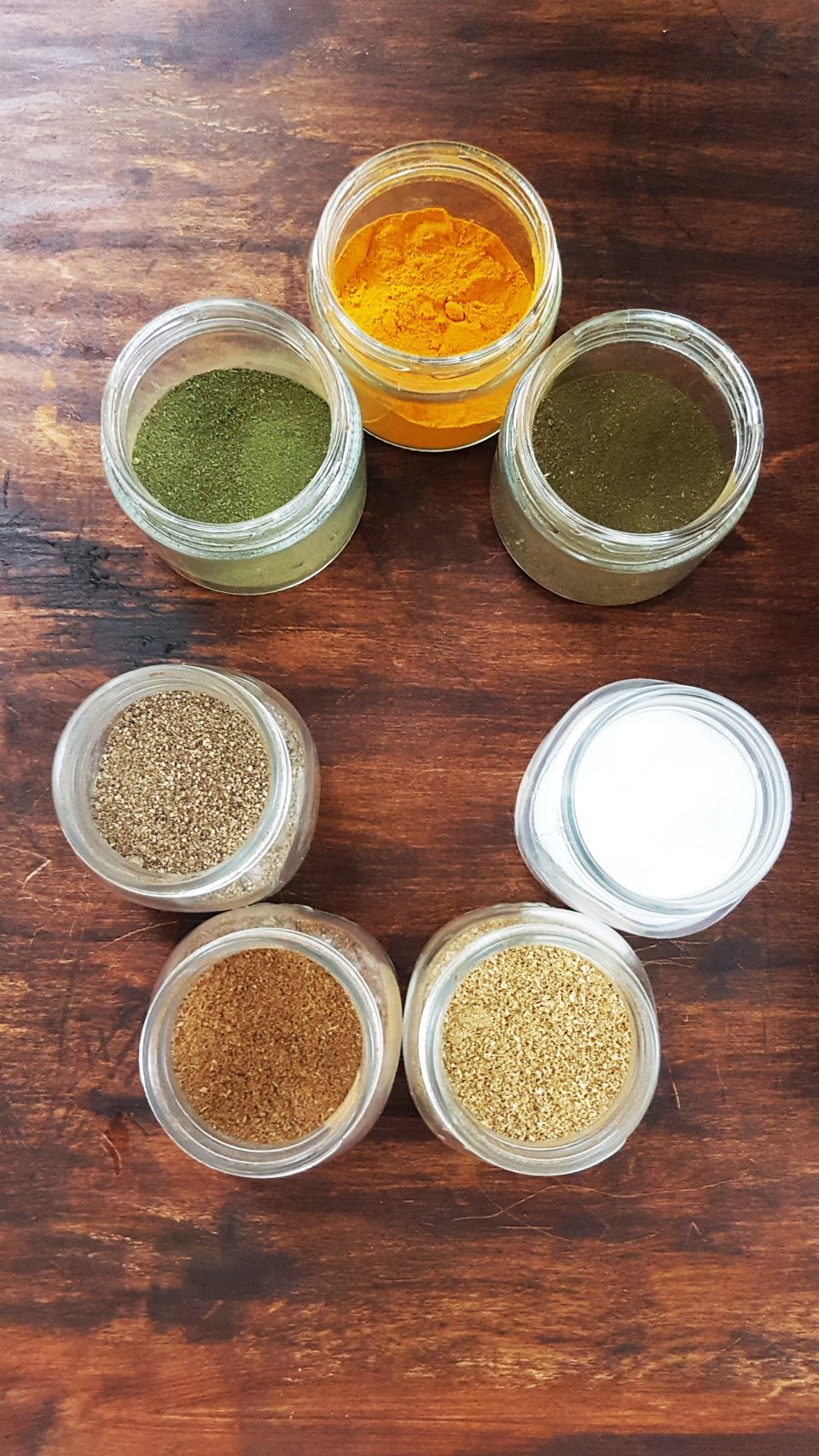
Spices in Kichiri Quroot are carefully chosen and balanced. Coriander powder and dill weed provide an herbal, slightly citrusy note that keeps the dish from tasting flat. Black pepper and char masala add warmth rather than heat, while salt ties everything together. The addition of a chicken cube is common in many Afghan home recipes, used to deepen flavor even in dishes that are primarily grain based. This practice reflects a practical approach to seasoning rather than strict categorization of dishes.
Green peppers are added for freshness and texture. They soften as the dish cooks but still retain enough structure to add contrast. Their mild sweetness complements the tomato base and spices. The gradual addition of ingredients ensures that each component has time to release its flavor without becoming overcooked.
What truly distinguishes Kichiri Quroot is the qoroot sauce. Qoroot is a traditional Afghan dairy product with a sharp, tangy flavor that contrasts strongly with the mildness of the rice and beans. Mixed with water and garlic, it becomes a thin, savory yogurt sauce that cuts through the richness of the dish. This contrast is essential. Without the qoroot, the dish would feel heavy. With it, each bite becomes balanced and refreshing.
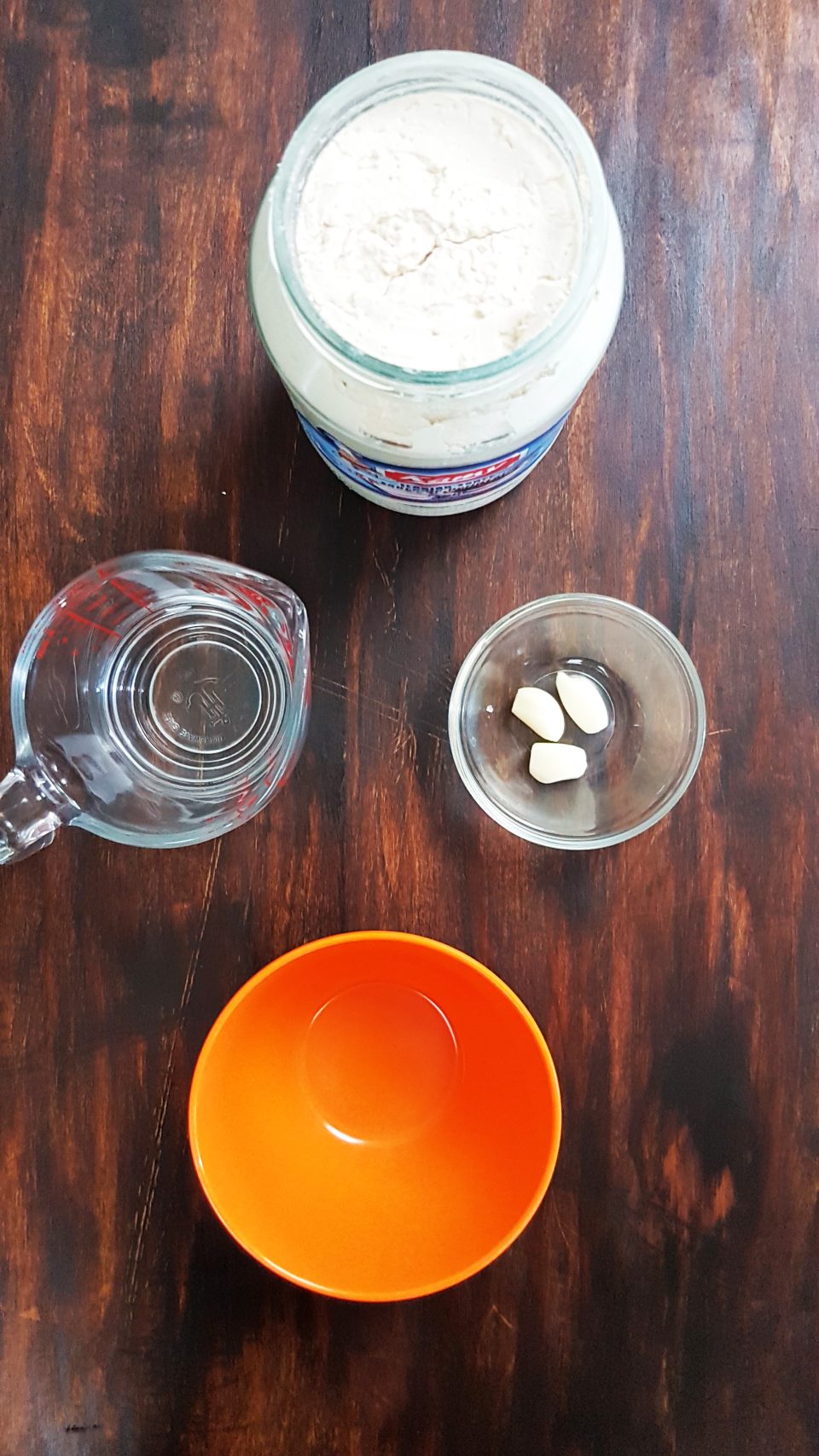
Garlic in the qoroot sauce adds intensity and aroma. It is not meant to be subtle but rather to assert itself against the softness of the kichiri. This boldness is intentional and reflects Afghan preferences for strong contrasts in texture and flavor within a single dish.
Cooking the rice directly in the seasoned liquid is essential to the character of Kichiri Qoroot. Unlike plain rice served alongside a curry, this rice becomes part of the dish itself. As it cooks, it absorbs the flavors of the spices, vegetables, and aromatics, resulting in a cohesive mixture rather than separate elements. The final texture is intentionally soft and slightly sticky, which allows the dish to hold together when served.
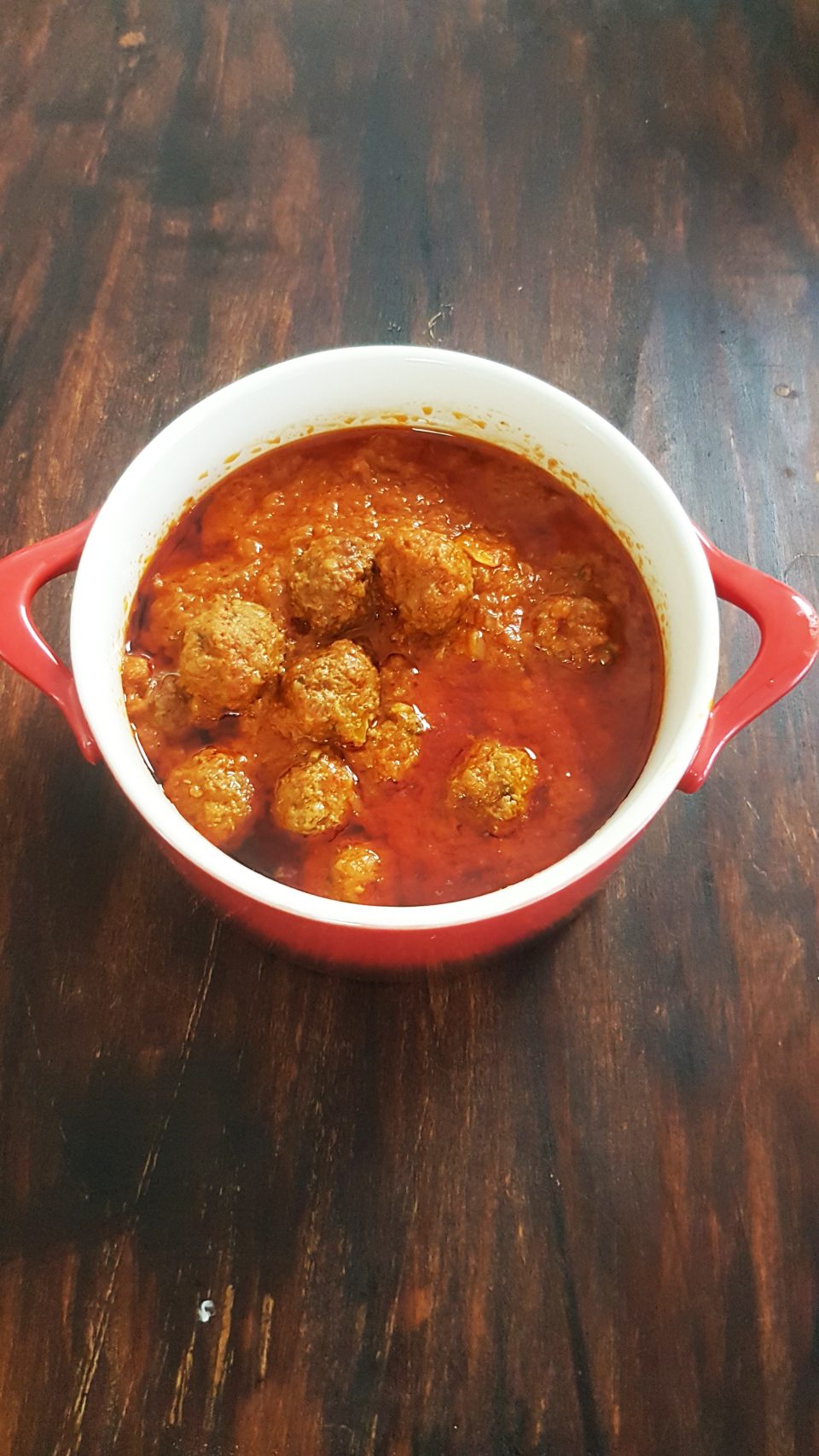
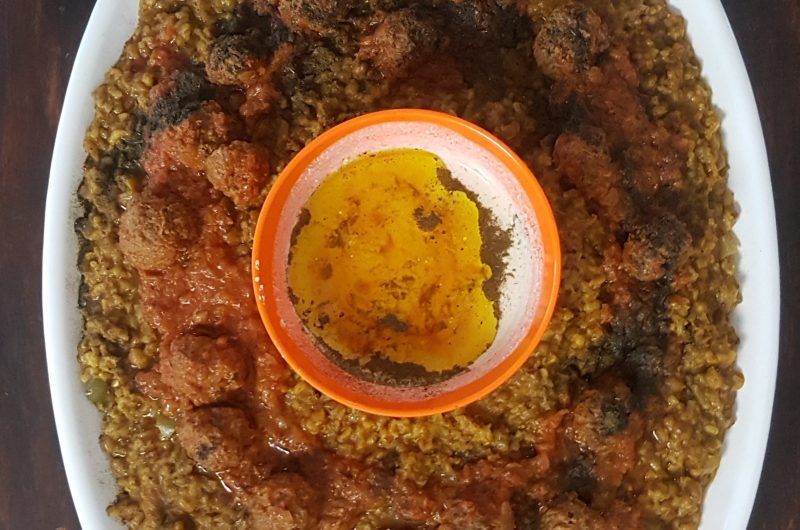
The serving method of Kichiri Quroot is just as important as its preparation. Traditionally, it is served layered on a large platter rather than plated individually. The kichiri forms the base, topped with meatballs, yogurt sauce, dried mint, and finally hot oil mixed with turmeric. Each topping adds a different element: richness, acidity, freshness, and warmth. The hot oil poured over the top releases aromas and ties the layers together.
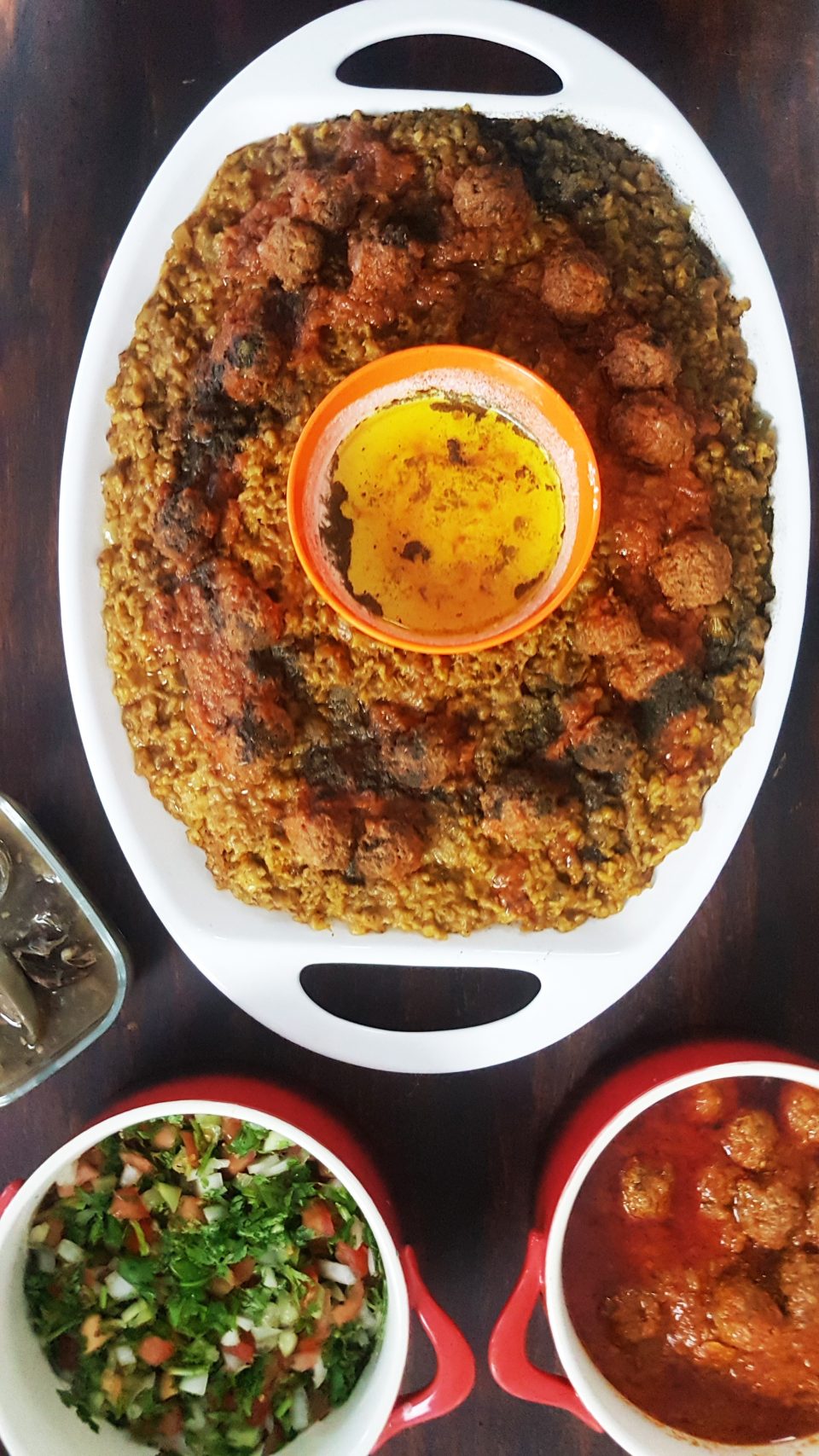
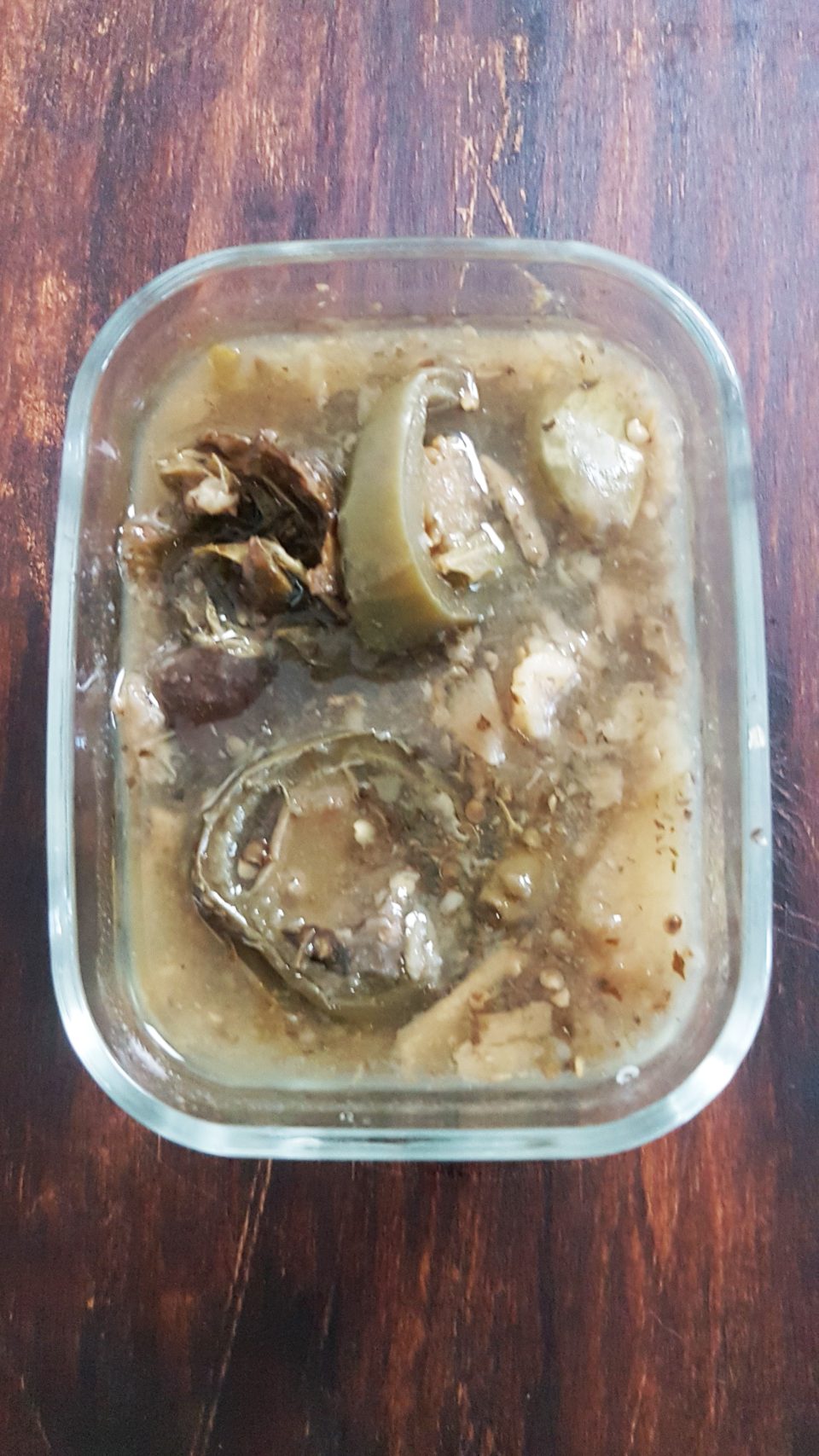
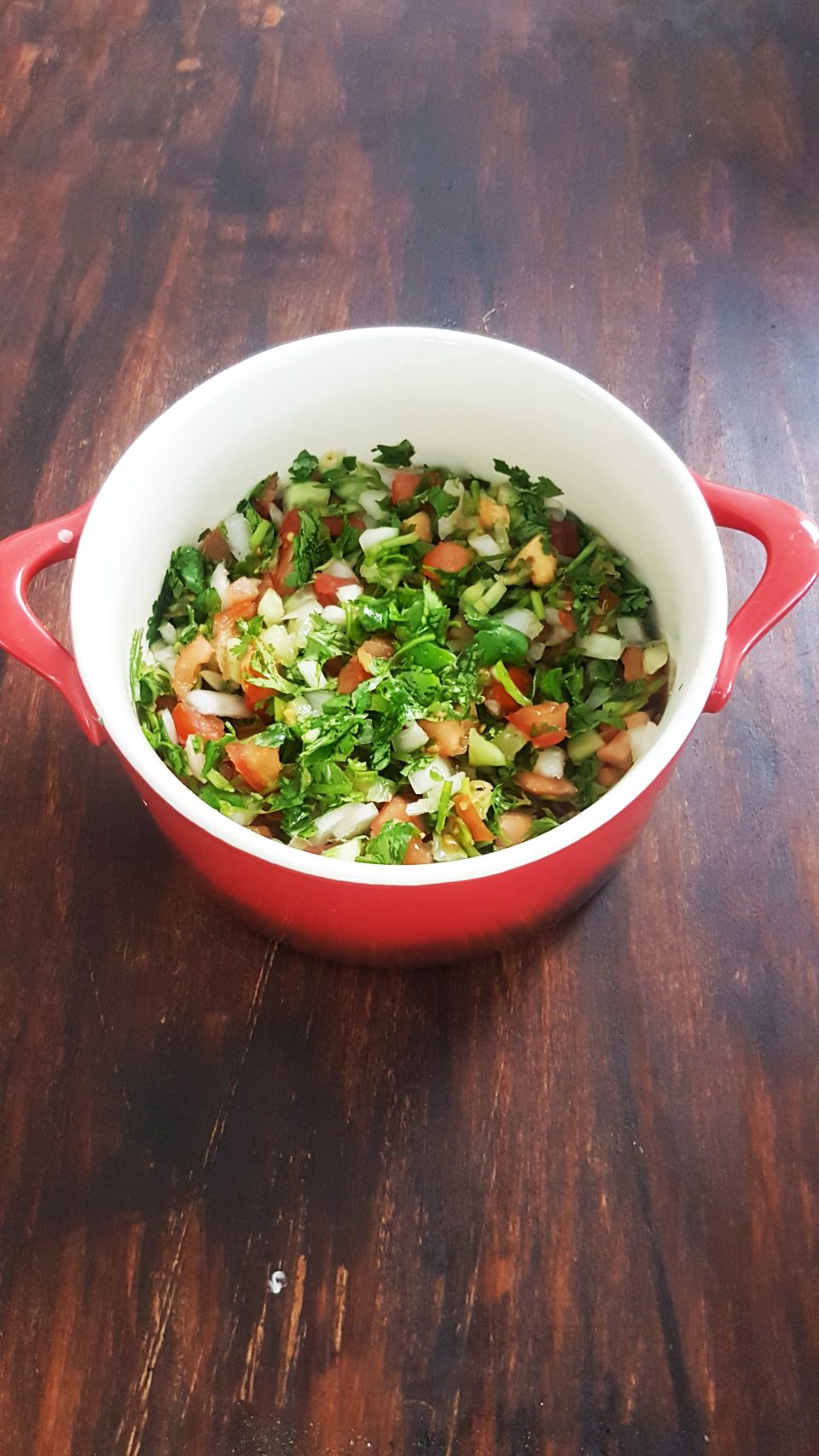
This style of serving encourages shared eating. Family members gather around the platter, taking portions as they like. It is traditionally served with torchi (pickled vegetables) and a simple fresh salad, which add acidity and freshness to balance the richness of the dish. This communal approach is central to Afghan dining culture and reinforces the idea that food is meant to be shared rather than portioned.
Tune in to a quick video on making this tasty Recipe
EQUIPMENT NEEDED TO MAKE KICHIRI QUROOT

Kichiri Quroot
Course: LunchCuisine: AfghanDifficulty: Easy4
servings30
minutes40
minutesIngredients
Kichiri
½ cup oil
2 onions, chopped
4 garlic cloves, minced
1 teaspoon turmeric powder
1 cup tomato sauce
4 cups water
1 tablespoon coriander powder
1 tablespoon dill weed
1 tablespoon salt
1 teaspoon black pepper
1 teaspoon char masala
1 chicken cube
1 cup green pepper, chopped
½ cup mung beans
1 cup short grain white rice
2 additional cups water
Qoroot
4 tablespoons Afghan yogurt (qoroot)
1 cup water
3 garlic cloves, minced
Directions
- Kichiri
- Add the oil to a slow cooker or deep pot and heat over medium heat. Add the chopped onions and minced garlic. Cook until golden brown.
- Add the turmeric powder and tomato sauce and fry briefly. Once well combined, add the water and bring to a boil.
- Add all the spices: coriander powder, dill weed, salt, black pepper, char masala, and the chicken cube. Stir well to combine.
- Add the chopped green pepper and mung beans. Mix thoroughly, then add the short grain white rice.
- Pour in the additional water and bring the mixture to a boil. Cook on high heat for 10 minutes, then reduce to low heat and cook for another 10 minutes until the rice is fully cooked and sticky.
- The kichiri should be soft, well blended, and evenly seasoned.
- Qoroot
- In a small bowl, add the Afghan yogurt and water. Mix well until smooth.
- Add the minced garlic and stir until fully combined.
- Serving Instructions
- Serve the dish on a large plate in the following order:
- Kichiri (rice and mung bean mixture)
- Meatballs
- Yogurt sauce (qoroot)
- Mint powder
- Hot oil mixed with turmeric powder (¼ cup hot oil + ¼ teaspoon turmeric powder)
- Serve warm and enjoy.
Recipe Video
Did you enjoy making this recipe? I would love to hear your thoughts. Feel free to leave any questions or comments below.
Click Here to Make Afghanistan’s National Dish: Kabuli Pulao Recipe